
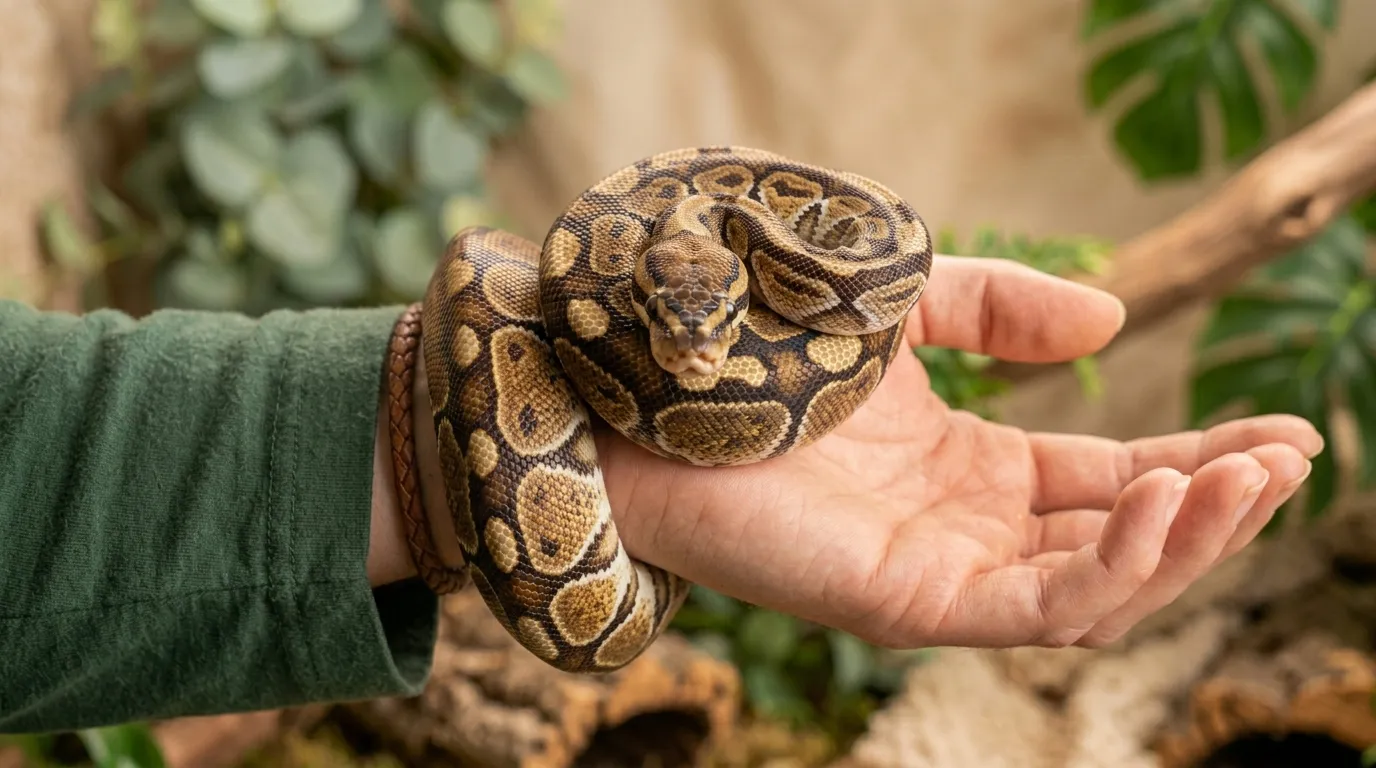
Thinking about getting a pet snake? Or maybe you just brought one home and you are wondering what to do next? Either way, you are in the right place.
Learning how to take care of a pet snake is not as complicated as most people think. Snakes are actually quiet, clean, and surprisingly low-maintenance pets — but they do have very specific needs that must be met consistently. Get those needs right, and your snake will live a long, healthy, and fascinating life.
This complete beginner’s guide covers everything you need to know about pet snake care — from choosing the right species and setting up the perfect habitat, to feeding, handling, and keeping your snake healthy for years to come.
Are Snakes Good Pets for Beginners?
Yes — but only if you choose the right species and do your research first. Snakes are not like dogs or cats. They do not crave constant attention or affection. They are independent, quiet, and odorless when properly cared for. They do not need to be walked or groomed. They eat infrequently and are content in a well-set-up enclosure.
However, snakes are also highly specialized animals. They need precise temperature and humidity levels, specific diets, and careful handling. Neglecting these needs leads to stress, illness, and a shortened lifespan.
If you are willing to learn and be consistent, a pet snake can be one of the most rewarding and unique pets you will ever own.
1. Choose the Right Snake Species
The first and most important step in pet snake care is choosing the right species. Not all snakes are suitable for beginners. Some grow extremely large, some are aggressive, and some have very demanding care requirements.
Here are the best snake species for beginners:
- Ball Python — The most popular beginner snake in the world. Docile, easy to handle, and forgiving of minor care mistakes. Grows to about 3 to 5 feet. Lifespan of 20 to 30 years.
- Corn Snake — Slender, active, and very easy to care for. Great for first-time owners. Grows to about 4 to 6 feet. Very hardy and adaptable.
- King Snake — Bold, active, and tolerates handling well. Comes in beautiful color varieties. Grows to about 3 to 5 feet.
- Milk Snake — Colorful, calm, and relatively easy to care for. Grows to about 2 to 4 feet. Great for beginners who want a visually striking snake.
- Garter Snake — Small, fast, and one of the easiest snakes to keep. Grows to about 2 to 3 feet. Eats fish and earthworms instead of rodents.
Snakes to avoid as a beginner:
- Burmese Python — grows up to 20 feet, requires enormous space
- Green Tree Python — extremely high humidity needs and temperamental
- Any venomous species — requires professional experience and permits
- Wild-caught snakes — carry parasites and stress extremely easily
Always buy from a reputable breeder rather than catching a wild snake or buying from unknown sources. Captive-bred snakes are healthier, calmer, and easier to handle.
2. Set Up the Perfect Enclosure
Your snake’s enclosure is their entire world. Getting the setup right is the single most important thing you can do for your pet snake’s health and wellbeing.
Enclosure Size
The general rule is that the enclosure should be at least two-thirds the length of your snake. As your snake grows, you will need to upgrade the enclosure size accordingly.
- Small snakes up to 3 feet — 20 gallon tank minimum
- Medium snakes 3 to 5 feet — 40 gallon tank minimum
- Large snakes 5 feet and above — 60 to 120 gallon tank or custom PVC enclosure
Enclosure Type
Glass terrariums with a secure screened lid are the most common choice for beginner snake owners. PVC enclosures are also excellent as they retain heat and humidity better than glass. Whatever enclosure you choose, it must have a secure, latching lid — snakes are exceptional escape artists and will find any gap or weakness in their enclosure.
Substrate (Bedding)
The substrate is the material that lines the bottom of the enclosure. Good substrate options include:
- Aspen shavings — Great for most dry-habitat snakes like corn snakes and king snakes. Allows burrowing and is easy to spot clean.
- Cypress mulch — Excellent for snakes that need higher humidity like ball pythons. Holds moisture well and looks natural.
- Coconut fiber — Another great high-humidity substrate that is soft, natural, and holds shape for burrowing.
- Paper towels or newspaper — Simple, cheap, and easy to change. Good for quarantine setups or hatchlings.
Avoid cedar and pine shavings — they contain oils that are toxic to snakes. Spot clean the substrate regularly and do a full substrate change at least once a month.
Hides and Enrichment
Every snake needs at least two hides — one on the warm side of the enclosure and one on the cool side. Hides give your snake a sense of security and help reduce stress. Without proper hides, even a well-fed snake will remain permanently stressed.
You can also add branches, cork bark, and artificial plants to make the enclosure more interesting and give your snake surfaces to explore and rub against during shedding.
3. Get Temperature and Humidity Right
Snakes are cold-blooded, which means they cannot regulate their own body temperature. They depend entirely on the temperature of their environment to digest food, fight off illness, and function normally. Getting temperature wrong is one of the most common mistakes beginner snake owners make.
Temperature Gradient
Your enclosure must have a warm side and a cool side. This allows your snake to move between temperatures and self-regulate as needed.
- Warm side: 88 to 92 degrees Fahrenheit (31 to 33 Celsius)
- Cool side: 75 to 80 degrees Fahrenheit (24 to 27 Celsius)
- Nighttime temperature: Should not drop below 70 degrees Fahrenheit (21 Celsius)
These temperatures are general guidelines. Always research the specific temperature requirements of your snake’s species as they can vary significantly.
Heat Sources
- Under-tank heating pads — Best for providing belly heat, which aids digestion. Always use with a thermostat.
- Radiant heat panels — Excellent for larger enclosures. Efficient and consistent.
- Ceramic heat emitters — Provide heat without light, great for maintaining nighttime temperatures.
Always use a thermostat with any heat source. Without one, temperatures can rise to dangerous levels and seriously harm or kill your snake.
Humidity
Humidity requirements vary by species. As a general guide:
- Ball Pythons need 60 to 80 percent humidity
- Corn Snakes need 40 to 60 percent humidity
- King Snakes need 40 to 60 percent humidity
Use a digital hygrometer to monitor humidity levels inside the enclosure. If humidity is too low, your snake will have difficulty shedding. Mist the enclosure with water or use a humid hide filled with damp moss to maintain proper levels.
4. Feed Your Snake Correctly
Feeding is one of the most fascinating aspects of snake ownership — but it also requires care and knowledge to get right.
What Do Pet Snakes Eat?
Most pet snakes are carnivores and eat rodents. The appropriate prey size is roughly the same size as the widest part of your snake’s body. Feeding prey that is too large can cause regurgitation or injury.
- Small snakes eat pinky mice or fuzzy mice
- Medium snakes eat adult mice or small rats
- Large snakes eat adult rats or even rabbits
Frozen Thawed vs Live Prey
Always feed frozen and thawed prey rather than live prey whenever possible. Live rodents can injure your snake by biting and scratching. Frozen prey is also more convenient, safer, and easier to store. Thaw frozen prey in warm water for 30 to 45 minutes before offering it to your snake. Never use a microwave to thaw prey as it creates dangerous hot spots.
Feeding Schedule
- Hatchlings and juveniles — every 5 to 7 days
- Adult snakes — every 7 to 14 days
- Large adult snakes — every 14 to 21 days
Snakes do not need to eat every day. Overfeeding leads to obesity, which is a serious health problem in captive snakes. After feeding, avoid handling your snake for at least 48 hours to allow proper digestion.
Fresh Water
Always provide a bowl of clean, fresh water large enough for your snake to soak in if they choose to. Change the water every two to three days and clean the bowl weekly. Snakes often soak before shedding or when they feel unwell.
5. Handle Your Snake the Right Way
Handling builds trust between you and your snake, but it must be done correctly and at the right times.
When to Start Handling
Give a newly acquired snake at least one to two weeks to settle into their new environment before attempting to handle them. During this time, keep disturbances minimal and let the snake eat and explore at their own pace.
How to Handle a Snake Safely
- Always approach your snake calmly and from the side, not from above — approaching from above mimics a predator and can trigger a defensive response
- Support the entire length of your snake’s body as you lift them
- Never grab a snake by the head or tail
- Move slowly and confidently — sudden movements frighten snakes
- Keep handling sessions to 15 to 20 minutes at a time when starting out
- As your snake becomes more comfortable, you can gradually increase handling time
When Not to Handle Your Snake
- Within 48 hours after feeding — this can cause regurgitation
- When your snake is in shed — their vision is impaired and they are more defensive
- When your snake is showing defensive behavior such as hissing or coiling tightly
- When you have handled other animals, especially rodents — wash your hands thoroughly first
6. Understand the Shedding Process
Snakes shed their entire skin periodically as they grow — this is called ecdysis. Shedding is a completely normal process, but it requires proper conditions to go smoothly.
Signs That Your Snake Is About to Shed
- Eyes turn cloudy or bluish — this is the most obvious sign
- Skin color becomes dull and faded
- Snake becomes more secretive and spends more time in their hide
- Reduced appetite or complete refusal to eat
- More frequent soaking in their water bowl
How to Help Your Snake Shed Successfully
- Maintain proper humidity levels — this is the most important factor
- Provide a humid hide filled with damp sphagnum moss
- Leave rough surfaces like branches or cork bark for your snake to rub against
- Do not handle your snake during this time
- Do not try to pull off stuck shed — instead, soak your snake in lukewarm water for 20 to 30 minutes and the shed should loosen
A healthy shed comes off in one complete piece. Stuck shed, especially around the eyes or tail tip, can cause serious health problems and should be addressed promptly.
7. Keep Your Snake Healthy
Prevention is always better than treatment when it comes to snake health. Most health problems in pet snakes are caused by incorrect husbandry — wrong temperatures, wrong humidity, poor diet, or dirty enclosures.
Signs of a Healthy Snake
- Clear, bright eyes (except during pre-shed)
- Smooth, unblemished skin
- Steady, purposeful movement
- Regular feeding with no regurgitation
- Clean, firm droppings
- Alert and aware of surroundings
Common Health Problems in Pet Snakes
Respiratory Infection: Caused by temperatures that are too cold or humidity that is too high. Signs include wheezing, mucus around the mouth or nostrils, and open-mouth breathing. Requires immediate veterinary attention.
Mites: Tiny parasites that live on your snake’s skin. Signs include excessive soaking, small moving dots on the skin or in the water bowl, and restlessness. Treat with reptile-safe mite treatment and thoroughly clean and disinfect the entire enclosure.
Mouth Rot (Stomatitis): A bacterial infection of the mouth. Signs include redness, swelling, or discharge around the mouth. Requires veterinary treatment with antibiotics.
Stuck Shed (Dysecdysis): Caused by low humidity. Soak your snake in lukewarm water and gently assist with stuck shed using a damp cloth. Never pull forcefully.
Regurgitation: Usually caused by handling too soon after feeding, prey that is too large, or temperatures that are too low. If your snake regurgitates, wait at least two weeks before attempting to feed again and identify the cause.
Find a Reptile Vet Before You Need One
Not all veterinarians treat snakes. Before bringing your snake home, research reptile-experienced vets in your area and keep their contact information ready. Schedule a wellness check within the first month of ownership to establish a baseline of your snake’s health.
8. Enclosure Cleaning and Maintenance
A clean enclosure is essential for your snake’s health. Bacteria and parasites thrive in dirty conditions.
- Spot clean daily — Remove droppings and soiled substrate as soon as you notice them
- Full substrate change — Once a month, remove all substrate and replace with fresh material
- Deep clean — Every one to three months, remove everything from the enclosure and disinfect all surfaces with a reptile-safe disinfectant. Rinse thoroughly and allow to dry completely before replacing substrate and returning your snake.
- Water bowl — Clean and refill every two to three days, or immediately if your snake defecates in it
9. Understanding Snake Behavior
Understanding your snake’s body language and behavior helps you build a better relationship and identify potential problems early.
- Tongue flicking — Normal behavior. Snakes smell the air with their tongues. Frequent tongue flicking means your snake is curious and exploring.
- Hissing — A warning sign. Your snake feels threatened. Back off and give them space.
- Tight coiling into a ball — Defensive posture. Do not handle at this time.
- Musking — Releasing a foul-smelling liquid when handled. Common in newly acquired snakes. Usually improves with regular gentle handling.
- Striking — Can be a defensive response or a feeding response. Always use feeding tongs when offering food and wash your hands before handling to remove prey scent.
- Exploring enclosure edges — Can indicate the snake wants to explore, or may signal that something in the enclosure needs adjustment such as temperature or humidity.
Quick Reference: Pet Snake Care Checklist
Daily:
- Check temperatures on both warm and cool sides
- Check humidity levels
- Spot clean any droppings or soiled substrate
- Check water bowl and refill if needed
- Observe your snake’s behavior and appearance
Weekly:
- Clean and refill water bowl thoroughly
- Stir substrate to prevent bacteria buildup
- Check all equipment — thermostat, heat mat, hygrometer
Monthly:
- Full substrate change
- Wipe down enclosure walls and decor
- Check that enclosure size is still appropriate for snake’s growth
Every Few Months:
- Deep clean and full disinfection of entire enclosure
- Assess your snake’s weight and overall body condition
- Schedule vet check if anything seems off
Final Thoughts
Learning how to take care of a pet snake is a journey that rewards patience, consistency, and genuine curiosity. Snakes are not pets for everyone — but for those who take the time to understand them, they become endlessly fascinating companions.
The key to successful snake care is getting the basics right and keeping them right every single day. Proper temperatures, correct humidity, appropriate feeding, a clean enclosure, and regular gentle handling will give your snake everything they need to thrive.
Start with a beginner-friendly species, set up their enclosure properly before bringing them home, and never stop learning about the specific needs of your snake’s species. Your snake cannot tell you when something is wrong — so it is your job to stay informed and stay observant.
A well-cared-for snake is a healthy, calm, and truly remarkable pet. And that is absolutely worth every effort.
Have questions about a specific snake species or care situation? Drop them in the comments below — we would love to help!