
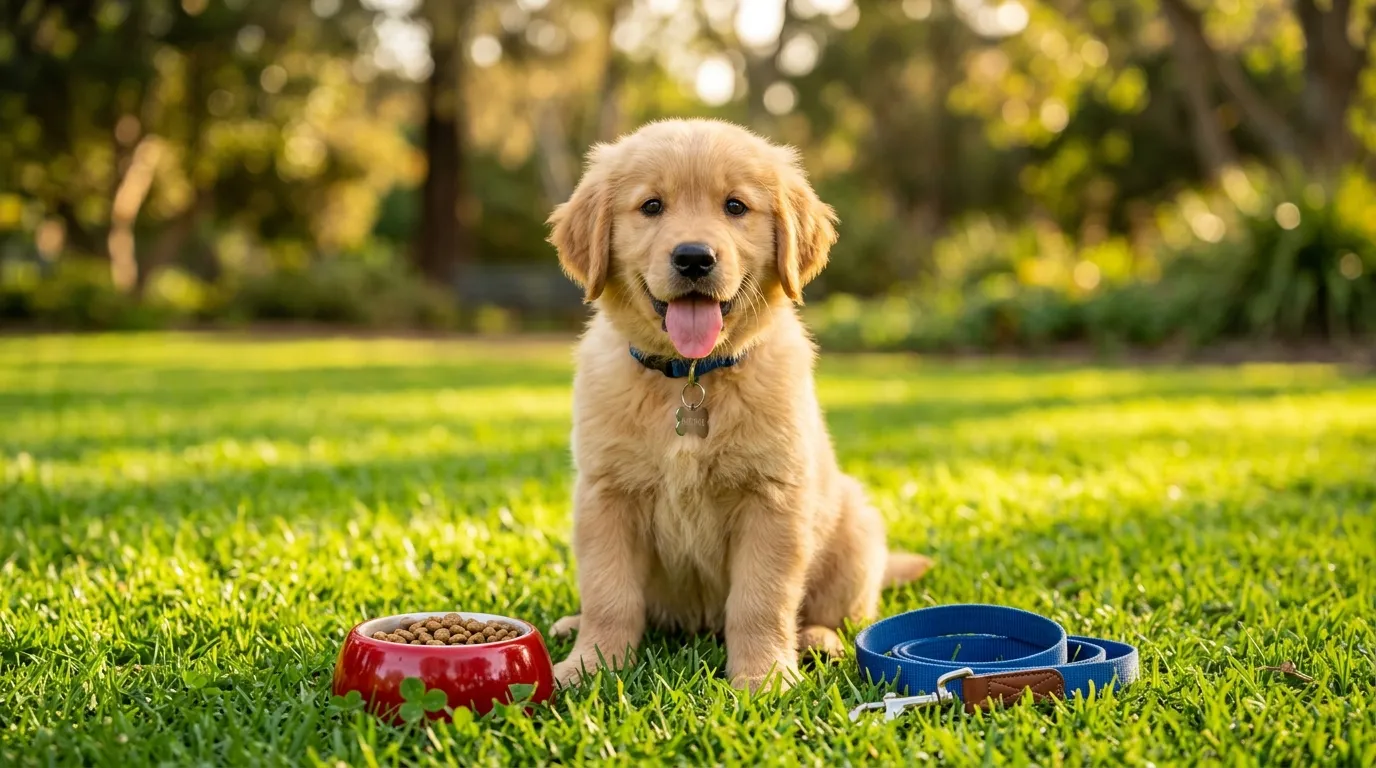
Bringing home a dog for the first time is one of the most exciting moments of your life. But once the excitement settles, many new owners find themselves asking the same question — where do I even start?
Taking care of a dog is a big responsibility. Dogs depend on you for food, shelter, health, love, and everything in between. The good news is that with the right information, anyone can become a great dog owner.
This beginner’s guide covers everything you need to know about how to take care of a dog — step by step, without the overwhelm.
Why Proper Dog Care Matters
Dogs are not just pets. They are living, feeling creatures with emotional and physical needs. A dog that is well cared for will be healthier, happier, and more well-behaved. On the other hand, a neglected dog can develop anxiety, aggression, or serious health problems.
When you adopt or buy a dog, you are making a long-term commitment — most dogs live between 10 and 15 years. Understanding how to care for a dog properly from day one will make the journey much smoother for both of you.
1. Set Up a Safe and Comfortable Home
Before your dog arrives, your home needs to be ready.
Create a dedicated space for your dog. Choose a quiet corner of your home where your dog can sleep, relax, and feel safe. Place a comfortable dog bed or crate there. Dogs naturally like having their own space — it gives them security.
Dog-proof your home. Get down to your dog’s level and look around. Remove anything that could be dangerous — electrical cords, toxic plants, sharp objects, small items they could swallow, and chemical products stored at floor level.
Essential items to have ready:
- A dog bed or crate
- Food and water bowls
- A collar and ID tag with your contact information
- A leash
- Dog-safe toys
- Grooming supplies
A well-prepared home helps your new dog settle in quickly and reduces stress for both of you.
2. Feed Your Dog the Right Way
Nutrition is one of the most important parts of dog care. What your dog eats directly affects their energy, coat, weight, and long-term health.
Choose high-quality dog food. Look for dog food where the first ingredient is a named protein — like chicken, beef, or salmon. Avoid foods that list corn syrup, artificial preservatives, or unnamed meat by-products as top ingredients.
Feed according to age and size. Puppies, adult dogs, and senior dogs all have different nutritional needs. Likewise, a small breed dog has different requirements than a large breed dog. Always check the feeding guidelines on the food packaging and consult your vet if unsure.
Stick to a feeding schedule. Most adult dogs do well with two meals per day — once in the morning and once in the evening. Puppies usually need three to four smaller meals per day. A consistent schedule helps regulate digestion and prevents overeating.
Always provide fresh water. Your dog should have access to clean, fresh water at all times. Change the water in their bowl at least once a day and clean the bowl regularly.
Foods to never give your dog:
- Chocolate
- Grapes and raisins
- Onions and garlic
- Xylitol (found in sugar-free gum and some peanut butters)
- Macadamia nuts
- Cooked bones
- Alcohol and caffeine
When in doubt about whether a food is safe, skip it and check with your vet.
3. Give Your Dog Enough Exercise
Dogs need regular physical activity to stay healthy and mentally balanced. A dog that does not get enough exercise often becomes bored, destructive, or anxious.
How much exercise does a dog need? It depends on the breed, age, and health of your dog. As a general rule:
- Small breeds (Chihuahua, Shih Tzu) — 30 minutes of exercise per day
- Medium breeds (Cocker Spaniel, Beagle) — 45 to 60 minutes per day
- Large or active breeds (Labrador, Border Collie) — 60 to 90 minutes per day
Types of exercise for dogs:
- Daily walks — essential for every dog
- Fetch or ball games in the yard or park
- Swimming (great for joint health in older dogs)
- Tug of war with rope toys
- Agility or obstacle courses for high-energy breeds
Exercise is not just good for your dog’s body — it also strengthens the bond between you. Regular walks give your dog a chance to explore the world, sniff new smells, and socialize with other dogs and people.
4. Train Your Dog From Day One
Training is not optional — it is one of the most important things you can do for your dog and your relationship with them. A well-trained dog is safer, happier, and easier to live with.
Start with basic commands. The five essential commands every dog should learn are:
- Sit
- Stay
- Come
- Down
- Leave it
Use positive reinforcement. Reward your dog with treats, praise, or play when they do something right. Never punish your dog harshly — it damages trust and can cause fear or aggression. Dogs learn much faster when they associate training with positive experiences.
Be consistent. Use the same commands, the same tone of voice, and the same rules every day. If you allow your dog on the sofa sometimes but not other times, they will be confused.
Keep training sessions short. Five to ten minutes per session, two to three times a day, is more effective than a single long session. Dogs have short attention spans, especially puppies.
Socialize your dog early. Introduce your dog to different people, animals, sounds, and environments from a young age. Well-socialized dogs are less likely to be fearful or aggressive in new situations.
If you are struggling with training, consider enrolling in a puppy class or working with a professional dog trainer. It is a worthwhile investment.
5. Grooming Your Dog at Home
Regular grooming keeps your dog clean, comfortable, and healthy. It also gives you the chance to check for any lumps, skin issues, or parasites.
Brushing. How often you brush your dog depends on their coat type. Short-coated dogs like Beagles may need brushing once a week. Long-coated dogs like Golden Retrievers need brushing several times a week to prevent mats and tangles. Regular brushing also reduces shedding around your home.
Bathing. Most dogs need a bath every four to six weeks. Use a dog-specific shampoo — human shampoo can irritate their skin. Make bath time calm and positive so your dog learns to tolerate or even enjoy it.
Nail trimming. Long nails are uncomfortable for dogs and can cause joint problems over time. Trim your dog’s nails every three to four weeks. If you can hear their nails clicking on the floor, they are too long.
Ear cleaning. Check your dog’s ears weekly for redness, odor, or discharge, which can be signs of infection. Clean the outer ear gently with a vet-approved ear cleaner and cotton ball. Never insert anything into the ear canal.
Dental care. Dental disease is one of the most common health problems in dogs. Brush your dog’s teeth ideally every day, or at least two to three times a week. Use a dog toothbrush and dog-safe toothpaste — never human toothpaste, which contains xylitol and is toxic to dogs.
6. Keep Up With Veterinary Care
Regular vet visits are essential to keeping your dog healthy, even when they seem perfectly fine.
First vet visit. Schedule a vet appointment within the first week of bringing your dog home. The vet will perform a full physical exam, check for parasites, review vaccination history, and answer any questions you have.
Vaccinations. Dogs need core vaccines to protect them from serious diseases. These typically include:
- Distemper
- Parvovirus
- Adenovirus (hepatitis)
- Rabies
Parasite prevention. Fleas, ticks, and heartworm are common threats to dogs. Ask your vet about monthly flea and tick prevention products, as well as heartworm medication.
Spaying or neutering. If you do not plan to breed your dog, spaying (females) or neutering (males) is strongly recommended. It reduces the risk of certain cancers, prevents unwanted litters, and can reduce behavioral issues.
Annual check-ups. Even healthy dogs should see the vet once a year for a wellness exam and any necessary booster vaccines. Senior dogs (generally over seven years old) benefit from twice-yearly check-ups.
7. Understand Your Dog’s Emotional Needs
Dogs are social animals. They need companionship, affection, and mental stimulation as much as they need food and exercise.
Spend quality time together. Play with your dog, cuddle on the sofa, take them with you on errands when possible. Dogs bond deeply with their owners, and time together strengthens that bond.
Provide mental stimulation. A bored dog is often a destructive dog. Give your dog puzzle toys, chew toys, and activities that challenge their brain. Training itself is excellent mental exercise.
Watch for signs of stress or anxiety. Common signs that a dog is stressed include excessive barking, destructive behavior, excessive licking, hiding, or changes in appetite. If you notice these signs, identify and address the cause.
Never leave your dog alone for too long. Most adult dogs can handle being alone for up to four to six hours, but this varies by dog. Puppies should not be left alone for more than a couple of hours.
Quick Reference: Dog Care Checklist for Beginners
Daily:
- Fresh food and water
- Exercise and playtime
- Bathroom breaks
- Affection and attention
Weekly:
- Brushing (more often for long-coated breeds)
- Ear check
- Wipe down paws after outdoor walks
Monthly:
- Bath
- Nail trim
- Flea and tick prevention
Annually:
- Vet wellness exam
- Booster vaccines
- Dental check
Final Thoughts
Learning how to take care of a dog for beginners might feel overwhelming at first, but it becomes second nature quickly. The key is to be consistent, patient, and attentive to your dog’s individual needs.
Every dog is different. Some need more exercise. Some need more reassurance. Some take longer to train. Pay attention to your dog, learn what makes them happy, and never stop educating yourself.
The reward — an unconditional bond with a loyal, loving companion — is absolutely worth it.
Do you have questions about caring for a specific dog breed? Drop them in the comments below — we would love to help!